


Thank you Chair.
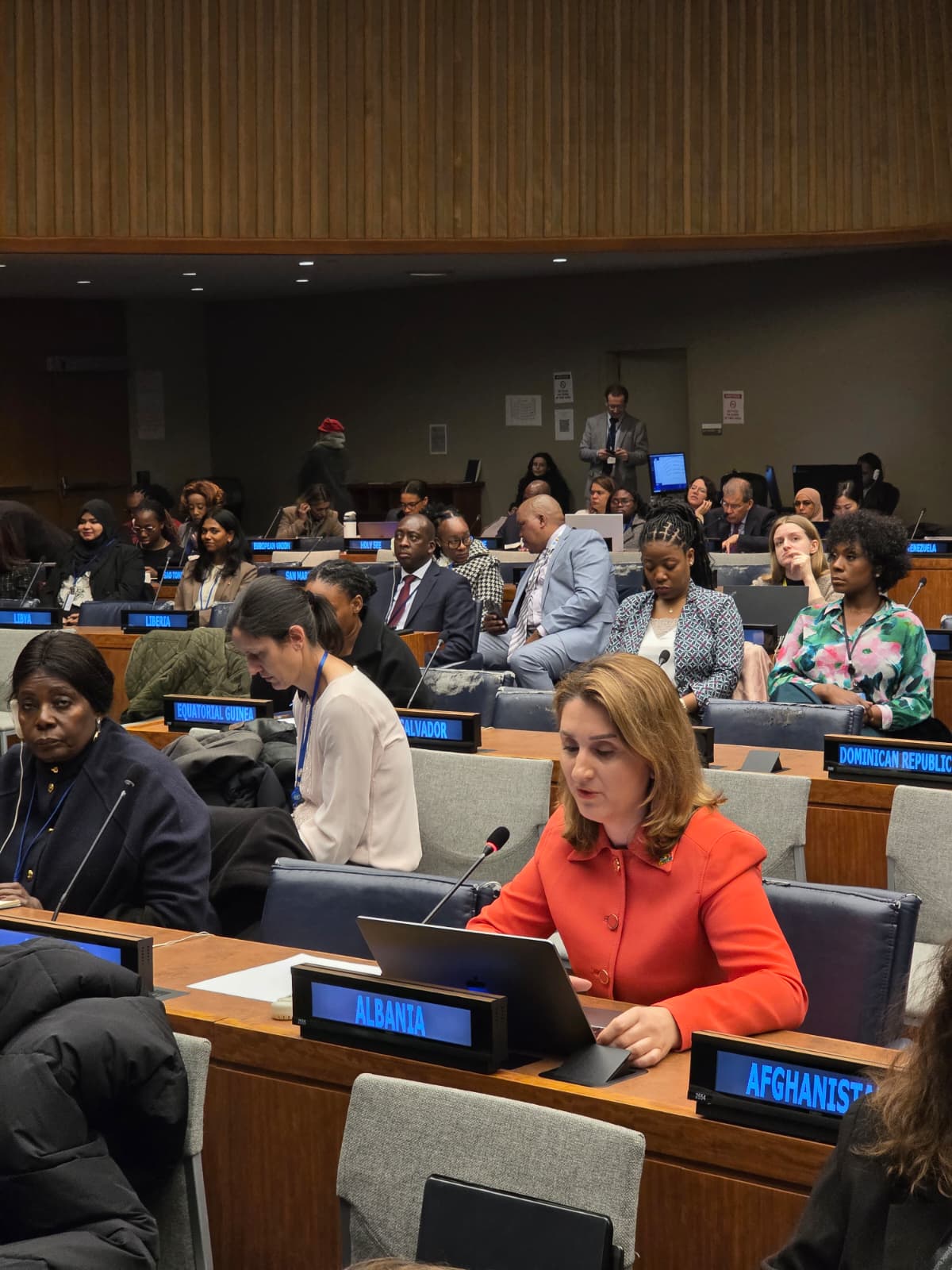
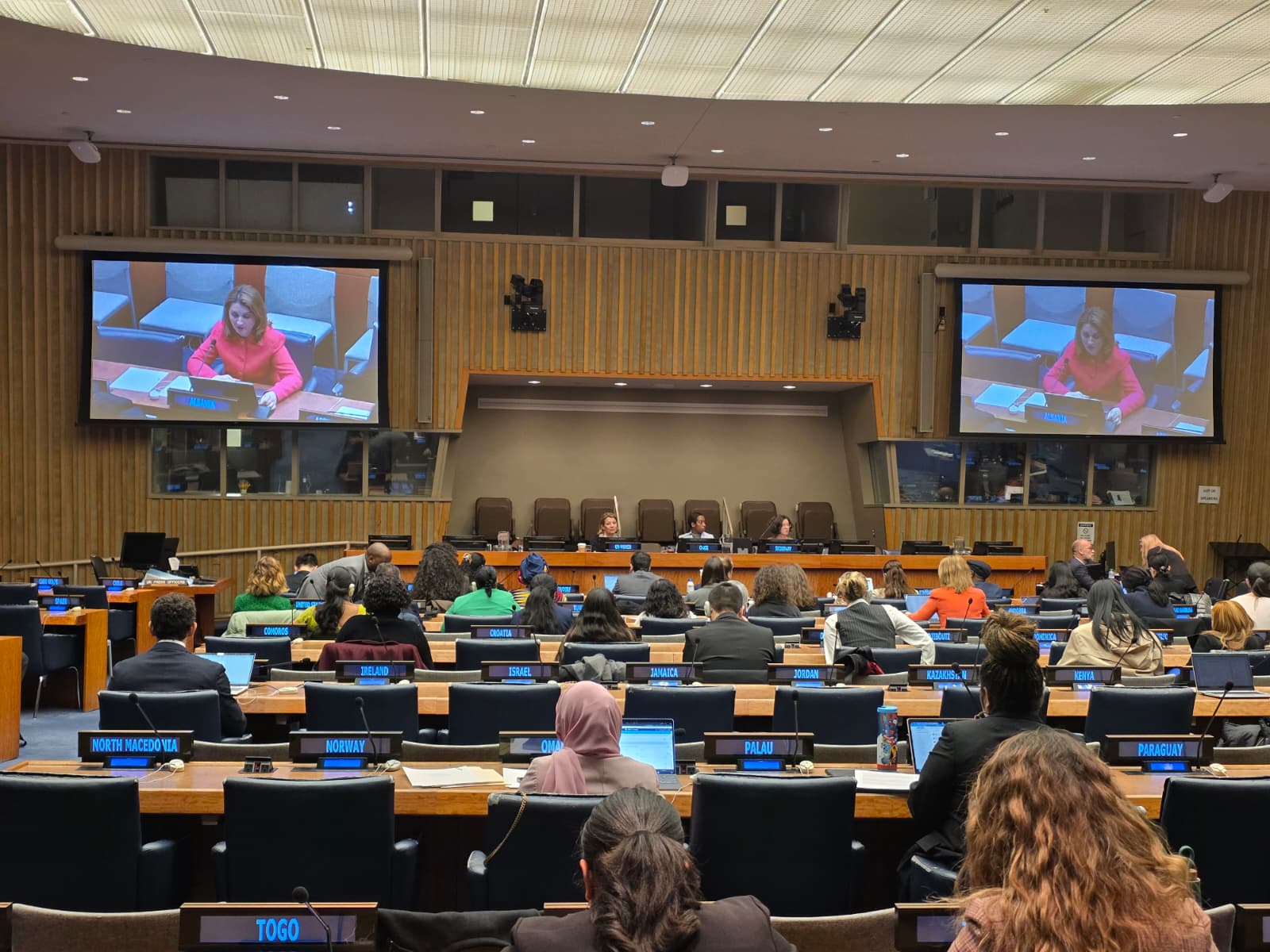
I deliver this statement on behalf of Australia, Spain, Uruguay, my own country Albania, and 59 other member states and observers of the United Nations :
Afghanistan, Andorra, Armenia, Austria, Belgium, Bosnia and Herzegovina, Brazil, Bulgaria, Cabo Verde, Canada, Chile, Colombia, Costa Rica, Croatia, Cyprus, Czechia, Denmark, Estonia, Finland, France, Georgia, Germany, Greece, Guatemala, Hungary, Iceland, Ireland, Israel, Italy, Latvia, Lebanon, Liechtenstein, Lithuania, Luxembourg, Malta, Marshall Islands, Mexico, Monaco, Mongolia, Montenegro, the Kingdom of the Netherlands, New Zealand, North Macedonia, Norway, Panama, the Philippines, Poland, Portugal, the Republic of Moldova, Romania, Serbia, Slovakia, Slovenia, Sweden, Switzerland, Timor-Leste, Ukraine, United Kingdom, and the European Union.
At this 70th session of the Commission on the Status of Women, we express our grave concerns about the continuing systematic erosion of the rights of women and girls in Afghanistan.
Since August 2021, Afghan women and girls have faced the most sweeping rollback of rights anywhere in the world.
The Taliban have demonstrated a pervasive disregard for Afghanistan’s human rights obligations, including under CEDAW and the CRC. Restrictions that have been placed on women’s and girls’ freedom of movement as well as access to education, work, healthcare and legal protection violate international law and deny dignity and self-determination.
We call for the restoration of the full, equal and meaningful participation of all women and girls in Afghanistan’s public and political life, as well as their civic space.
In recognition of the priority theme of this CSW session, we express our alarm at the Taliban’s entrenchment of gender-based discrimination in law, policy and practice and interference in the delivery of humanitarian assistance to those most in need.
Women have been ousted and removed from their roles within the justice system. The Taliban’s edicts – enshrined in its so called ‘morality’ law and most recent penal code – systematically erase women and girls, including those belonging to ethnic and religious minorities, from public life and punish them for resistance to erasure. Provisions that in practice permit physical “disciplinary” punishment are unacceptable.
This deepening campaign of sustained oppression enables and normalises sexual and gender‑based violence – including abuse, harassment, arbitrary detention and coercion by the Taliban as well as violence within homes and communities.
We call for the immediate reversal of these egregious laws, policies and practices and note that, after almost five years, the Taliban have made no move to revise their approach.
Today we reaffirm our deep and enduring commitment to advocating for the rights of all women and girls in Afghanistan. We support accountability efforts for the Taliban’s ongoing human rights abuses and call for the re-establishment of good governance and the rule of law.
In our call for justice, we lend our full support to the inclusion and amplification of the voices of all women and girls in Afghanistan, and we urge their full, equal and meaningful participation in the country’s future.